When Buyers Have More to Consider, Your Visualization Strategy Matters More
October 16, 2026
There’s a lot for homebuyers to think about right now.
Affordability is still a challenge and mortgage rates remain elevated. Buyers are taking their time, comparing options and looking closely at what they’re getting for their money.
For builders, that means the work of communicating a new community starts well before a buyer walks through the sales center.
It starts with what they see online. According to the National Association of Home Builders, a median-income U.S. family needed 34% of its income to cover the mortgage payment on a median-priced new home in Q2 2026, up from 32% in the first quarter. The average 30-year mortgage rate also increased from 6.20% to 6.51% during the same period.
At the same time, August 2026 new-home sales were still 2% below August 2025, while the supply of new single-family homes reached about 8.5 months at the current sales pace (NAHB, Sept. 2026).
None of this means buyers have stopped looking. It means they have more to consider. And when the decision takes more consideration, the way a home is presented matters.
The Buyer May Meet Your Community Before They Meet Your Sales Team
Think about how a buyer experiences a new community today.
They may see a social post. Then a rendering. Then a floor plan. Then an interactive experience. Maybe they watch a video. They might compare your community with three others before they ever fill out a form.
That first impression isn’t happening at the sales center anymore.
Zillow’s 2026 New Construction Consumer Housing Trends Report found that 84% of prospective buyers would consider new construction, but only 41% called it their first choice. Even more telling, 70% of existing-home buyers said they had never visited a new-construction sales center, with cost cited as the top reason.
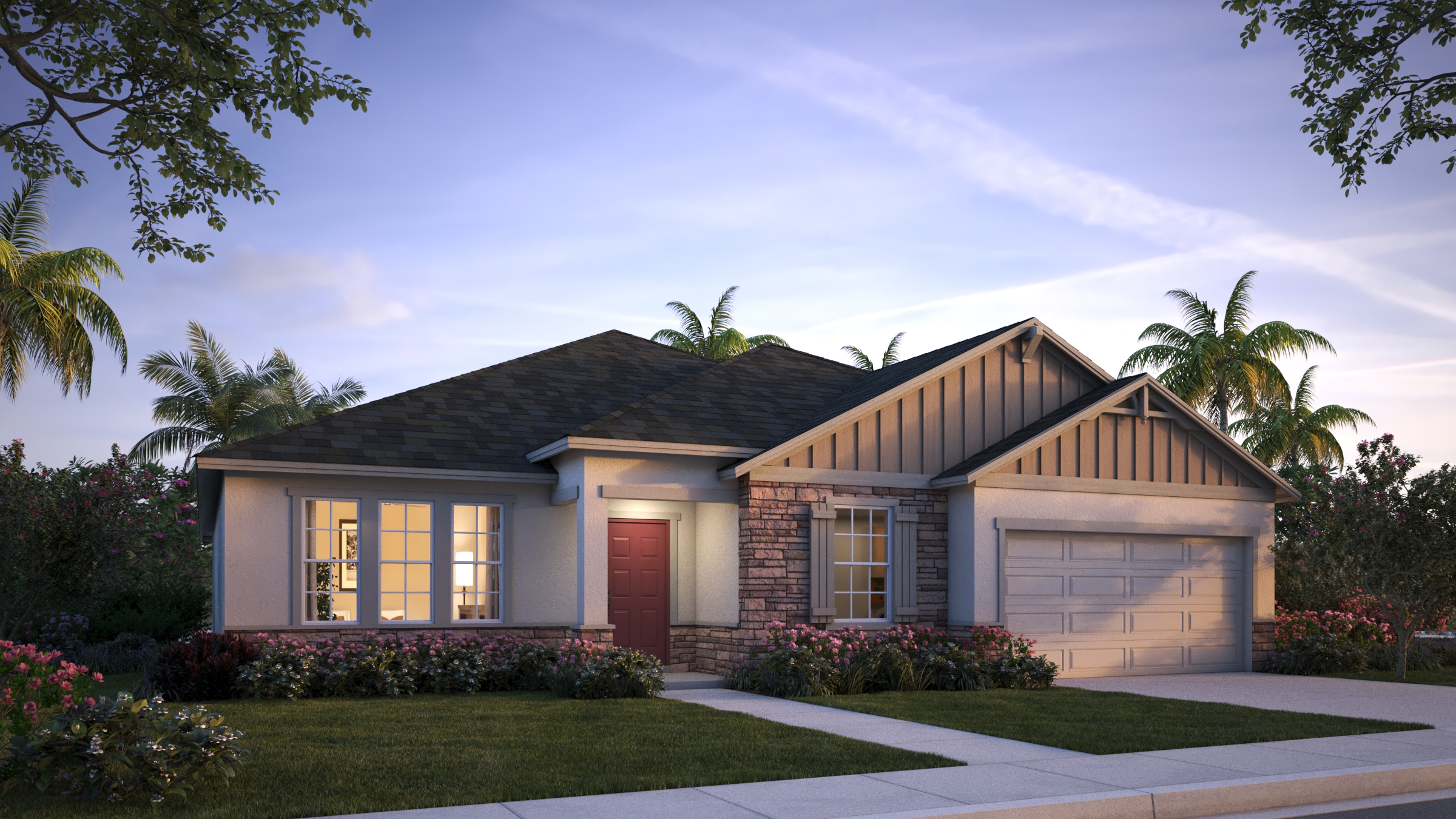
So the job of the visual isn’t simply to make the home look good. It has to help the buyer understand it.
What does this home feel like? How does the floor plan work? What makes this community different? Can I see myself living here?
And, perhaps most importantly, is this worth exploring further?
That’s Why One Size Doesn’t Really Fit All
We’ve worked with enough communities to know that there isn’t one magic, one-size-fits-all combination of visuals that works everywhere.
And honestly, there shouldn’t be.
An early-stage community has a different challenge than a community with finished homes and established photography. A plan that is difficult to understand from a floor plan alone has a different challenge than one that immediately makes sense on paper. A community trying to establish a sense of place needs something different from a builder introducing one new plan within an existing portfolio.
The visual strategy should follow the story.
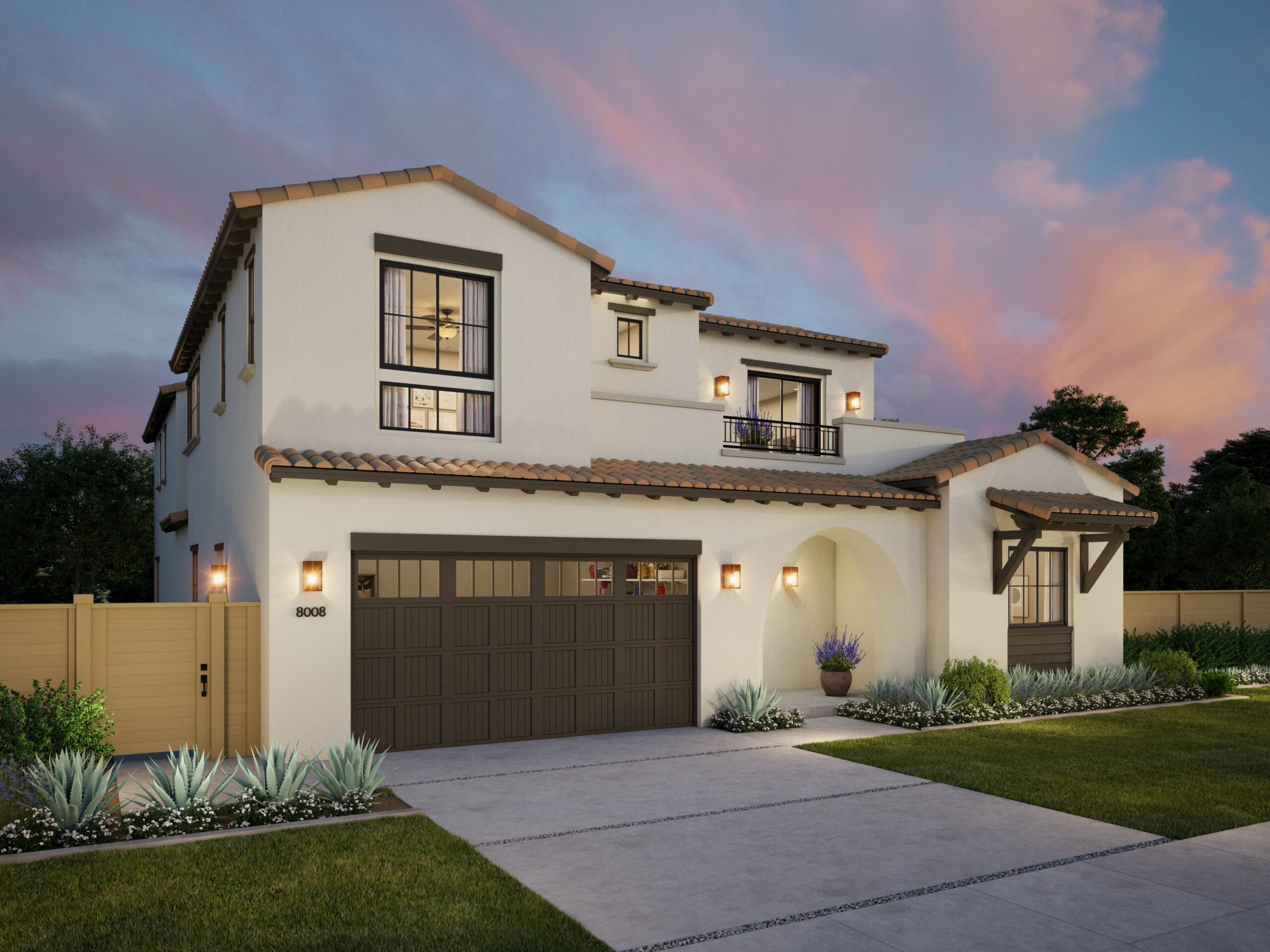
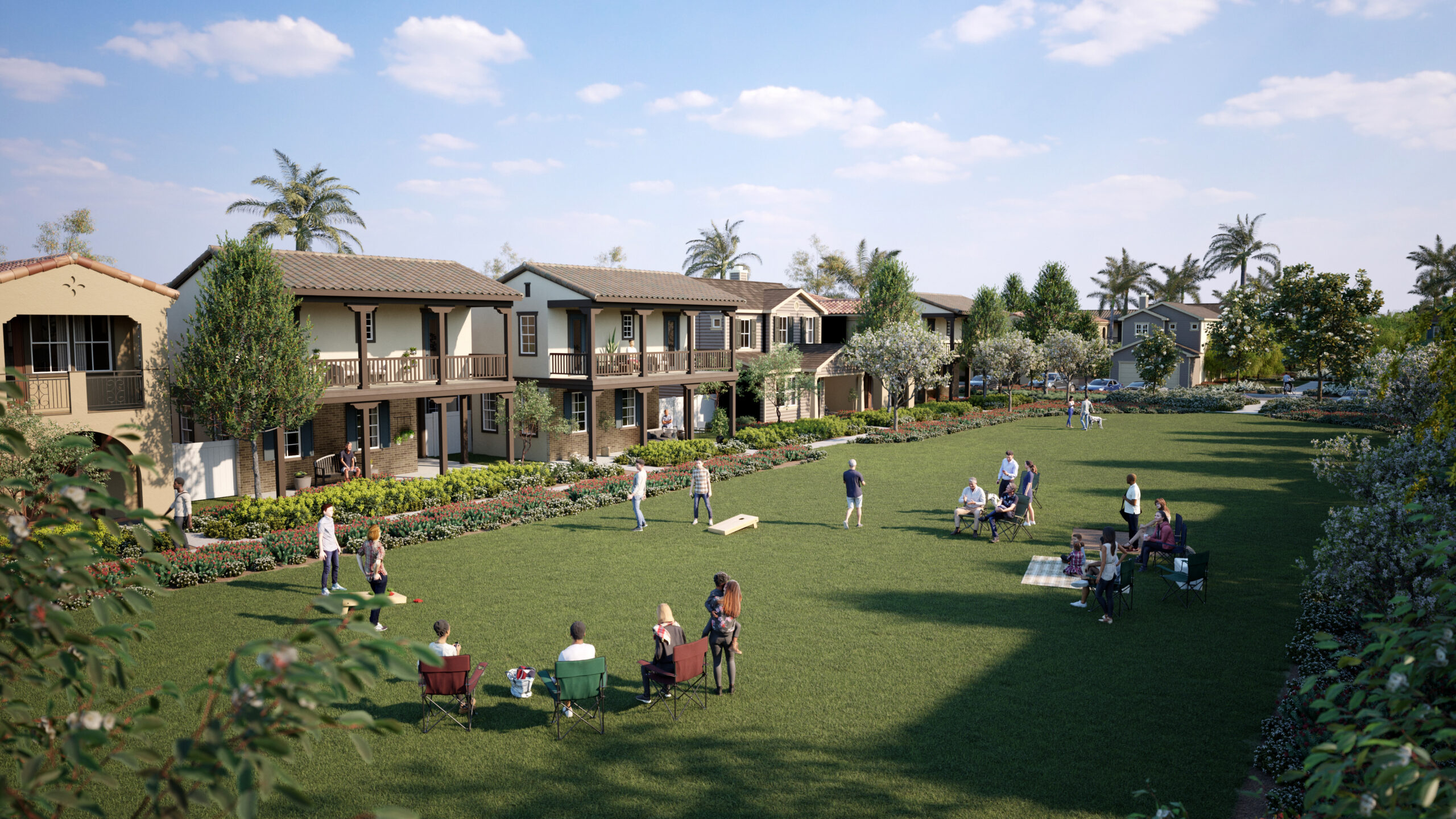
When the community isn’t there yet
An early launch is one of the clearest examples.
The homes may not be built, the landscaping isn’t finished, buyers can’t walk the streets or step through the front door.
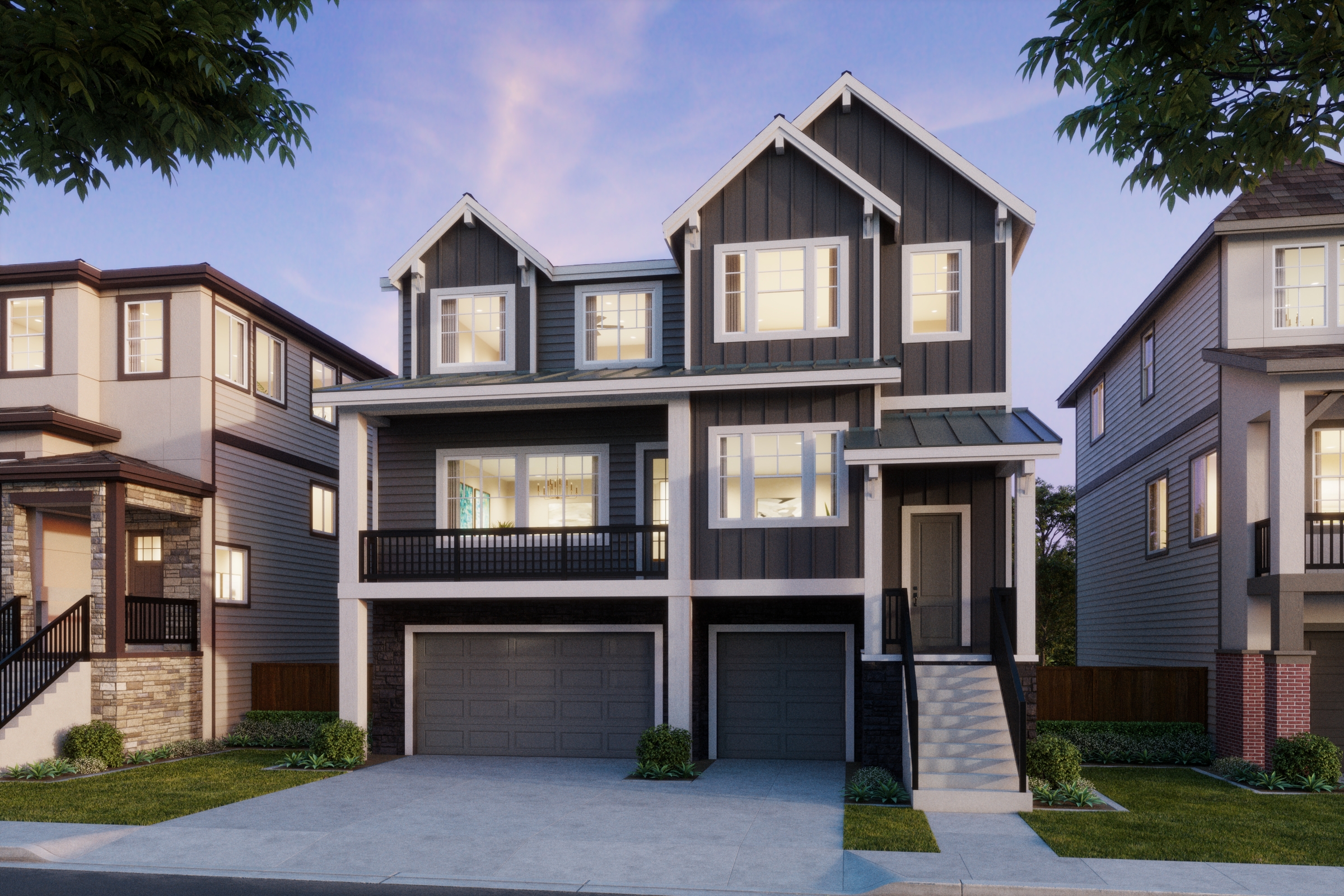
But marketing can’t always wait. Strong visualization gives buyers something tangible to respond to while the community is still taking shape. It helps establish the architecture, the setting and the feeling of what’s coming.
You’re giving the buyer a way to start understanding the community before they can experience it in person.
When a rendering needs to do more than look pretty
A beautiful rendering gets attention. A useful rendering answers questions.
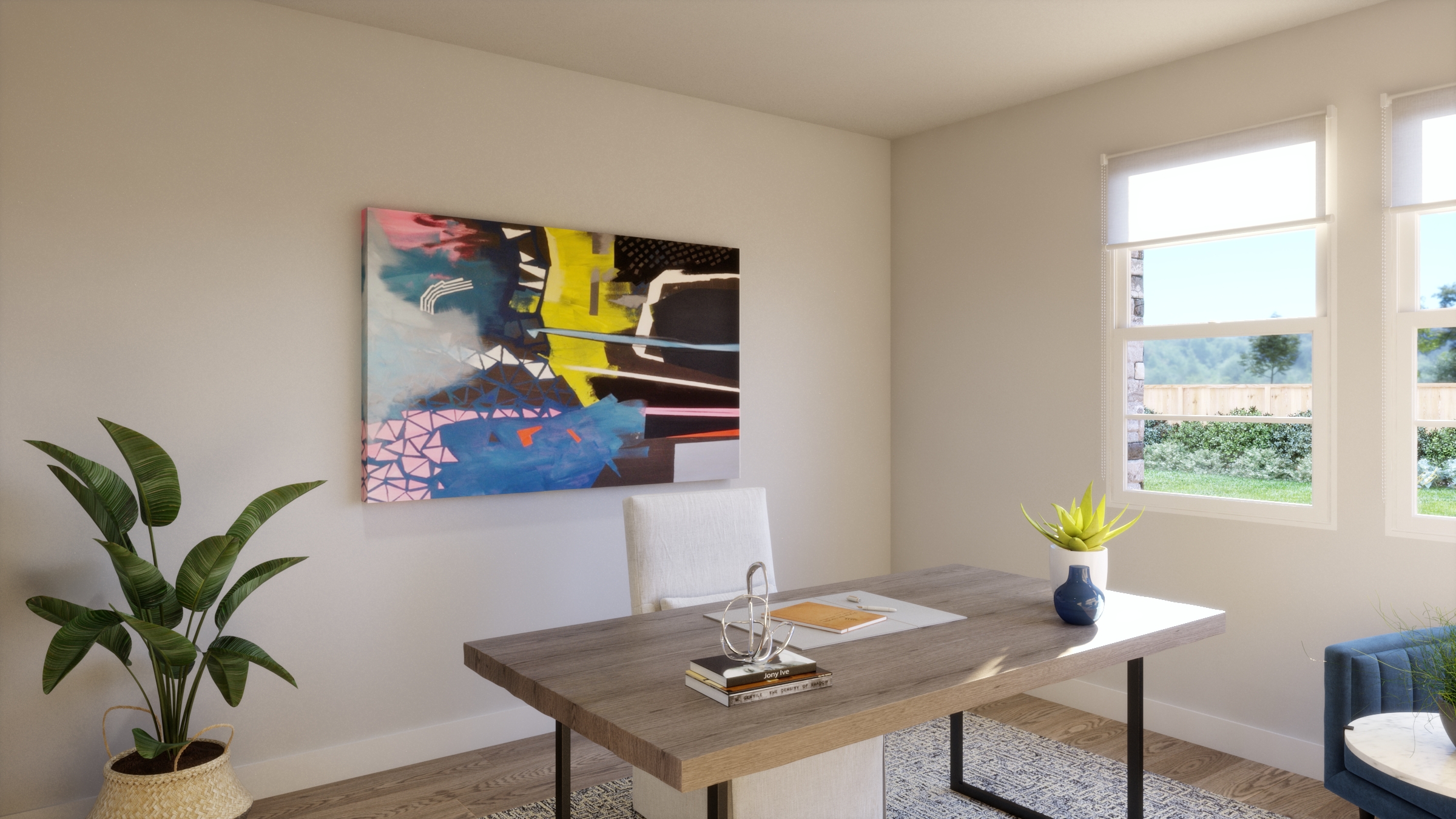
Where does the kitchen open up? What does the primary suite feel like? How does the exterior architecture come together? What does the backyard actually look like from inside the home?
That’s why rendering strategy matters.
Not every plan needs the same views. Not every community needs the same number of images. And not every room needs to be shown from three different angles.
The goal is to show the moments that help a buyer understand the home.

When the home needs to be experienced
Some homes make sense when you look at a floor plan. Others don’t really click until you move through them.
That’s where a Virtual Model Home Animation can be particularly useful.
Movement changes the way we understand space. Instead of asking a buyer to piece together a collection of still images, an animation can guide them through the home and show how those spaces connect.
It’s not just another piece of content. It’s another way of helping someone experience a home they can’t physically walk through yet.
And sometimes, you don’t need all of that
Not every community needs a massive visualization package.
Sometimes a builder has one plan that needs a little more help communicating its layout or experience. Sometimes the goal is focused and the budget needs to be focused, too.
That’s where something like Animation LT can make sense. It gives the builder a way to communicate the experience of a plan without assuming every project needs the same production approach.
Because the right strategy isn’t about adding more, it’s about knowing what will help.
Start With the Question, Not the Deliverable
This is probably the biggest shift we’ve seen over the years.
The conversation shouldn’t start with: “How many renderings do we need?” It should start with: “What does the buyer need to understand?”
The starting point is the buyer’s question. What are they trying to understand that a photo, floor plan or sales conversation can’t fully explain?
That answer should guide the visual approach. A rendering may be enough to clarify the design, while an animation can bring the flow of a home to life. For an early-stage community, the priority may be creating a sense of place before there’s anything to walk through. The point is to choose the format that communicates the story clearly, rather than defaulting to the same package every time.
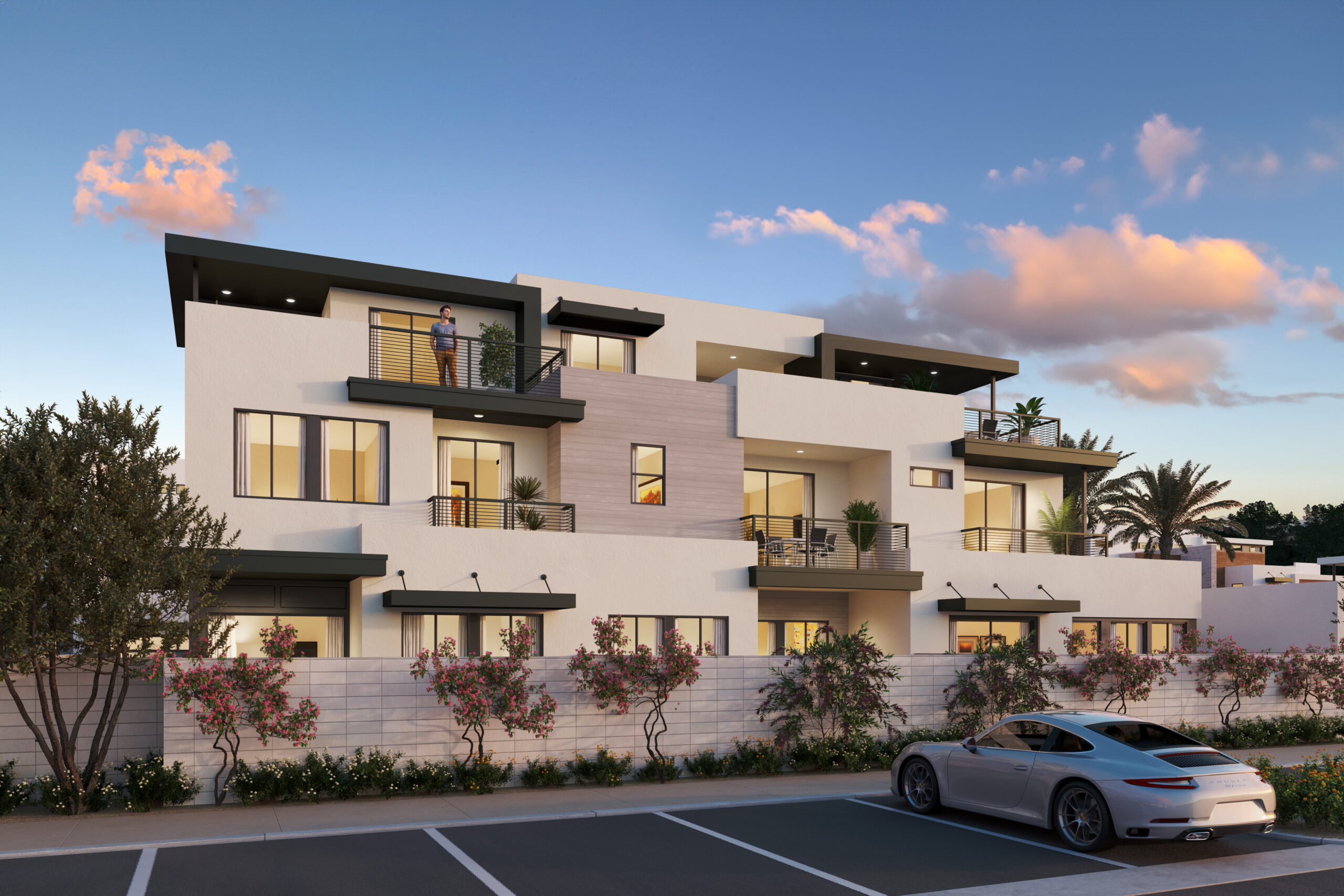
The Best Visualization Strategy Has a Reason Behind It
There’s no shortage of ways to show a home. The harder part is knowing which one will make the biggest difference.
That decision looks different for every community. Sometimes the priority is creating excitement around a launch. Sometimes it’s helping a buyer see the potential in a floor plan. Sometimes it’s giving a home a sense of movement and life that a still image can’t capture.
The strongest visual programs aren’t built by checking every box. They’re built with intention.
That’s how we approach visualization at Focus 360. We look at the community, the homes, the audience and where the project is in its journey, then build from there.
Because good visualization isn’t about doing more.
It’s about making the right things easier to see.
Have a community on the horizon? We’d be happy to talk through what you’re working on.

Share This Story, Choose Your Platform!
Explore other recent posts
- All Posts
- Marketing
- News
- Project Highlights
- Visual Tech